PFF Job Evaluation Scheme
For all organisations in the private sector

Our job evaluation solution is the preferred technology partner to:






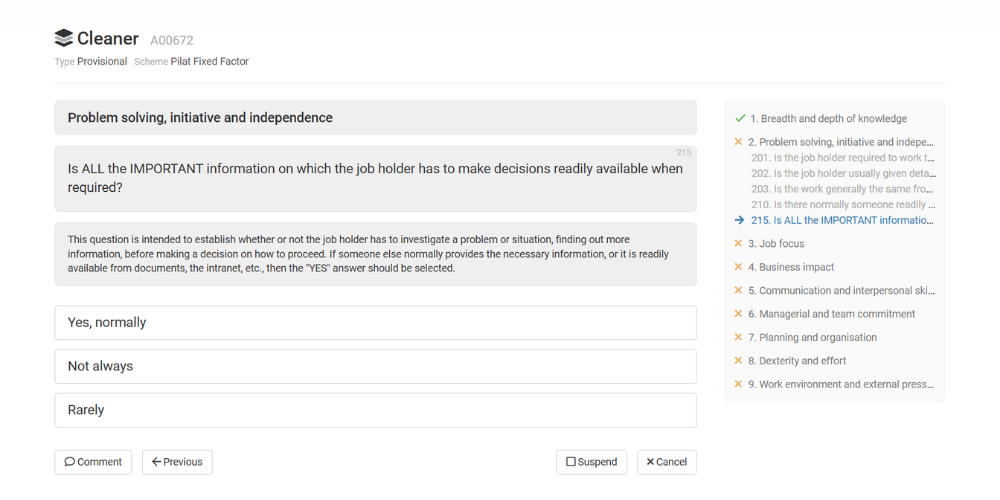
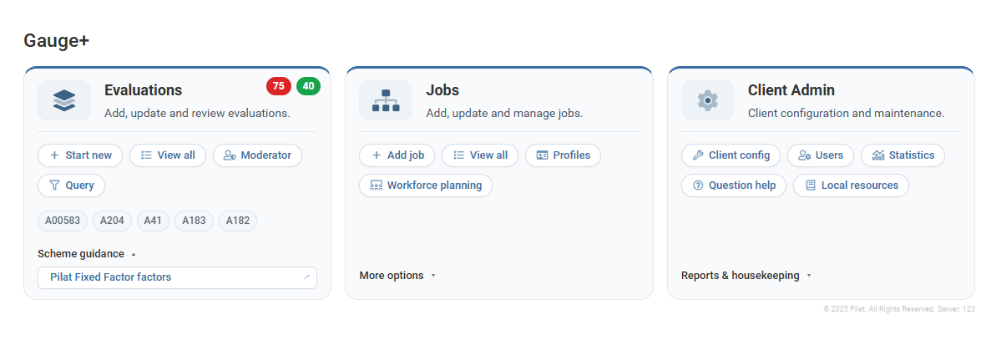
Pilat developed a job evaluation scheme in response to demands for a tool which would help ensure equity of pay arrangements within the private sector and lead to more effective remuneration strategies. The computerised scheme is based on the principles of equity, fairness, and organisational efficiency.
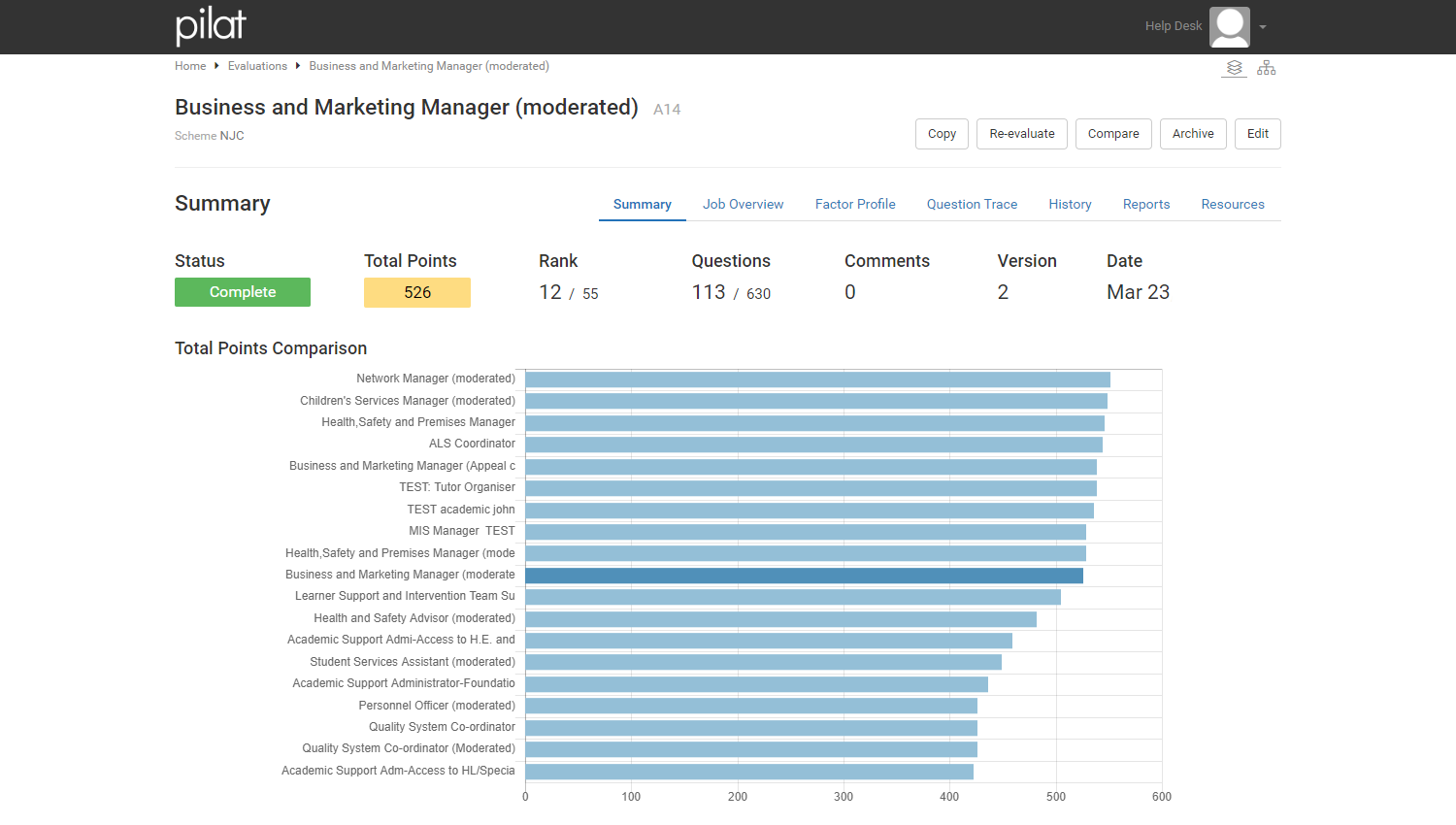
The scheme systematically ranks jobs within an organisation through the analysis of job roles and provides a platform from which to design an equitable grading structure. The pay modelling process can then be used to establish what level of pay the organisation can afford to attribute to each grade. The grade attributed will depend on the size of the job.
The scheme can be further adapted where there are specialist requirements of the organisation.
PFF 9-Factor Scheme
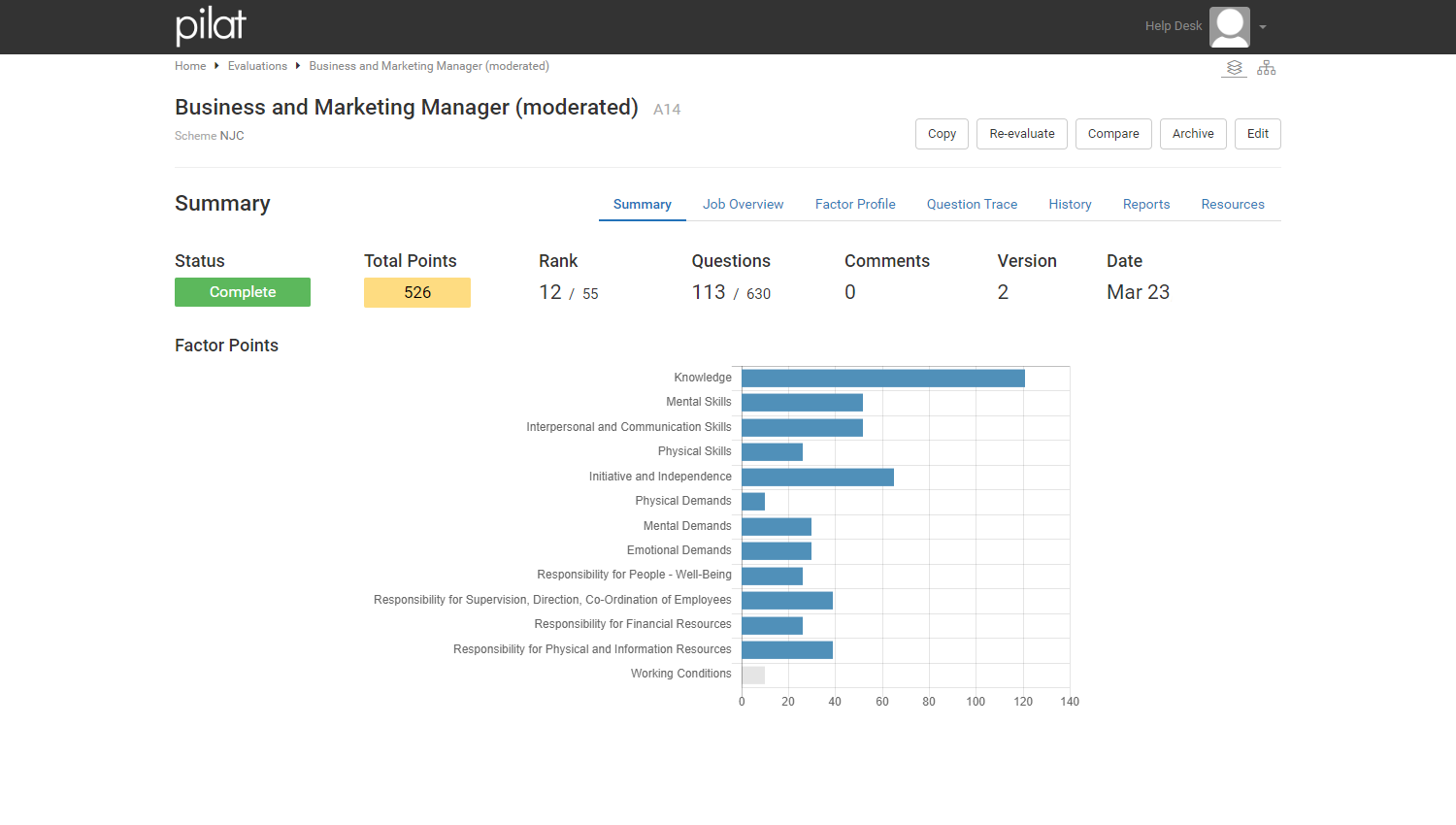
Job evaluation schemes follow a set of rules (factors; factor definitions; scoring and weighting) according to which jobs are assessed and measured by the evaluation panel or committee. Pilat created the 9-factor Pilat Fixed Factor (PFF) scheme to apply to a wide range of different jobs and to measure job demands.
The factors that have been established define the worth of job, e.g. skills required, responsibilities, working conditions, etc., giving HR and Job Analysts the necessary information to review job roles.
- Breadth & Depth of Knowledge
- Problem Solving, Initiative and Independence
- Job Focus
- Business Impact
- Communication & Interpersonal Skills
- Managerial & Team Commitment
- Planning & Organisation
- Dexterity & Effort
- Work Environment & External Pressures
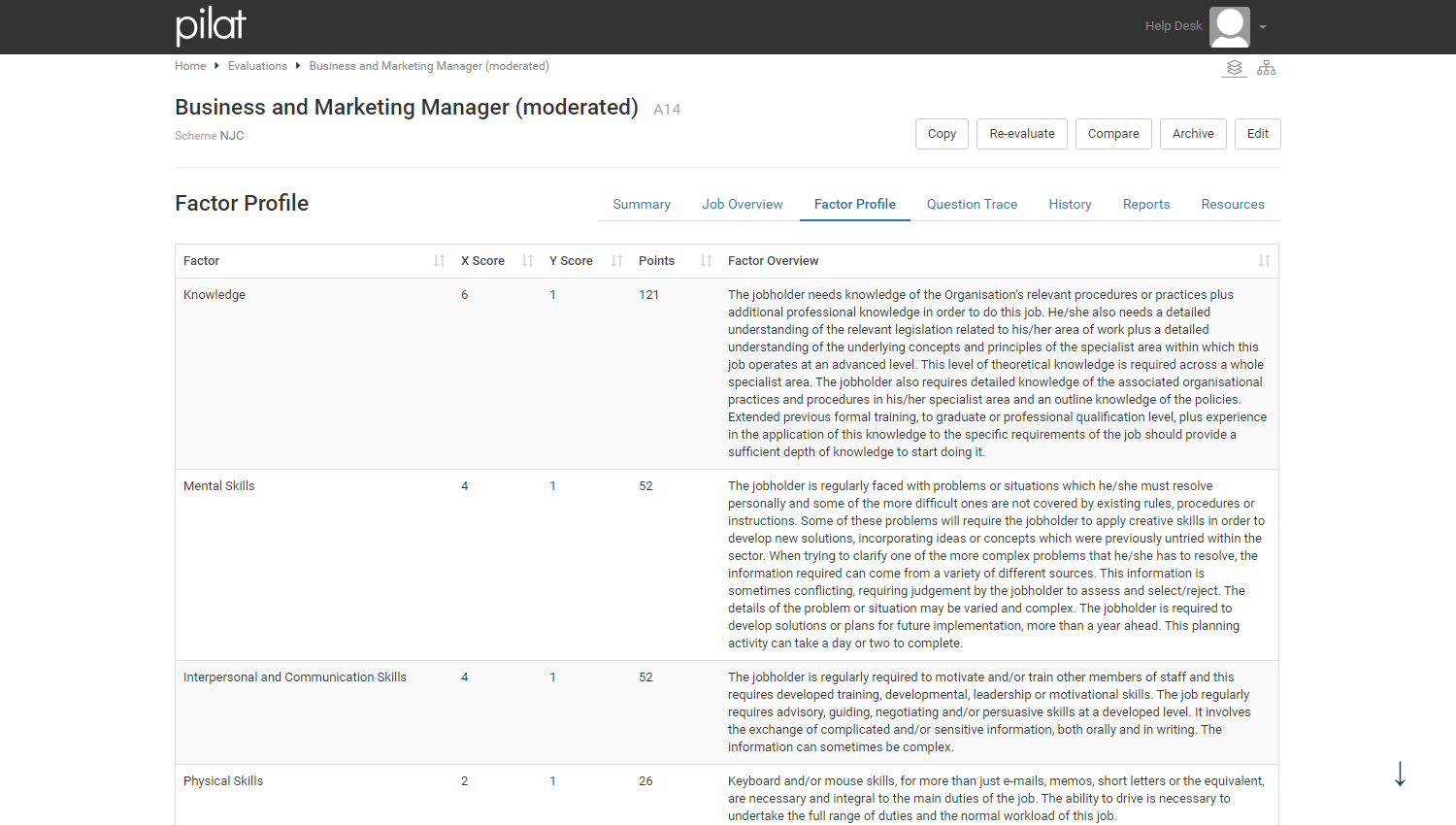
This factor examines the sum total of the knowledge required, however acquired, which is necessary to perform the job in an acceptable manner, based on the two dimensions of: – (X) the underlying theoretical understanding or knowledge necessary to enable the job holder to make the appropriate judgements and take the necessary decisions – (Y) the minimum amount of additional organisational knowledge normally required to cope with the breadth and/or complexity of the job.
The need to identify, define, analyse and resolve problems, taking account of: – (X) the organisational freedom given to the job holder to make judgements or decisions – (Y) the difficulty and complexity of the problems being confronted and the need, if any, for creative solutions.
The extent to which the job adds value to the organisation by contributing to its operational effectiveness and/or by impacting on the service it provides to its customers/clients, assessed by: – (X) the opportunity to directly impact on the organisation’s internal operation and/or effectiveness – (Y) the potential to improve the organisation’s results or reputation or influence through direct dealings with customers/clients, suppliers, other Departments or Divisions, etc.
The impact the job can have on the reputation of the organisation regarding advice and input to the achievement of delivering goals/targets including revenue generation and the financial resources (types of expenditure) controlled and influenced, as assessed by: – (X) the extent of the job holder’s freedom or responsibilities and effect of actions taken – (Y) the value of any revenue budget, annual spend or contract values involved over which the job holder has full discretionary responsibility.
The requirement to exercise communication and interpersonal skills in dealing with people outside the direct line management structure, depending on: – (X) the content, range and complexity of the subject matter – (Y) the context, form and process of the communication.
This factor evaluates the extent of supervisory or managerial responsibility held by the job holder for controlling, directing and monitoring the work of other staff and their development; plus the need, if any, to form effective working relationships with colleagues in the same and other work units, as assessed by: – (X) the size, structure and functional characteristics of the subordinate staff group (If the line manager does NOT take responsibility for the ongoing development of his/her direct subordinates, the assessed level is reduced by 1). – (Y) the nature of any working relationships with peers and/or more senior staff outside the job holder’s working group which are an inherent feature of the job.
This factor evaluates the extent to which the job holder is required to undertake short and/or long-term planning and organisation, including staff and activity scheduling for people who are not his/her own staff, as assessed by: – (X) the nature, complexity and range of the planning process – (Y) the timescale of the planning process and the proportion of working time devoted to planning and organising.
The extent to which the job is made more demanding by the physical requirements placed on the job holder, in terms of: – (X) the need for manual dexterity and the proportion of the time it has to be exercised – (Y) the need to apply physical effort and the proportion of the time it has to be applied.
This factor is to recognise the extent to which the job holder may be exposed to environmentally unpleasant conditions or to unpredictable and uncontrollable demands which affect the way in which the work can be carried out, as assessed by: – (X) the nature of the environmental conditions (eg working indoors, enclosed spaces) – (Y) the extent to which the job is subject to sudden changes of work pattern or priorities.
The factor covers responsibilities, including any confidentiality requirements, for the physical, mental, social, economic and environmental well-being of people, including their health and safety. HR advice and the Organisation’s HR policy advice should be recognised under this factor. These responsibilities could be exercised through, for example, providing personal services, advice and guidance, or other forms of assistance; implementing or enforcing regulations; or developing and implementing services. If the job is an advisory or policy job in relation to People, then Answer Yes to this question. This question includes both people other than an Organisation’s employees, and those in an equivalent relationship. Those in an equivalent client or customer relationship include other employees of the organisation/local authority (for example, customers of internal staff catering facilities, or clients of HR/personnel, training, workforce development, equalities or welfare officers); or the employees or volunteers of a voluntary organisation, to whom the jobholder is providing a direct service (but supervisory or co-ordinating responsibilities should be measured under the Responsibility for Supervision, etc. factor).
Implementation
During implementation, we will schedule a project kick-off meeting to finalise key dates, milestones, and responsibilities associated to your Gauge+ site going live.
Once dates have been agreed by both parties, our developers will be able to start building your Gauge+ site.
In preparation, for training, we will set up delegates attending training with user profiles. These user profiles will have full admin access to Gauge+ for training purposes, however, these settings can be changed post-training.
Training
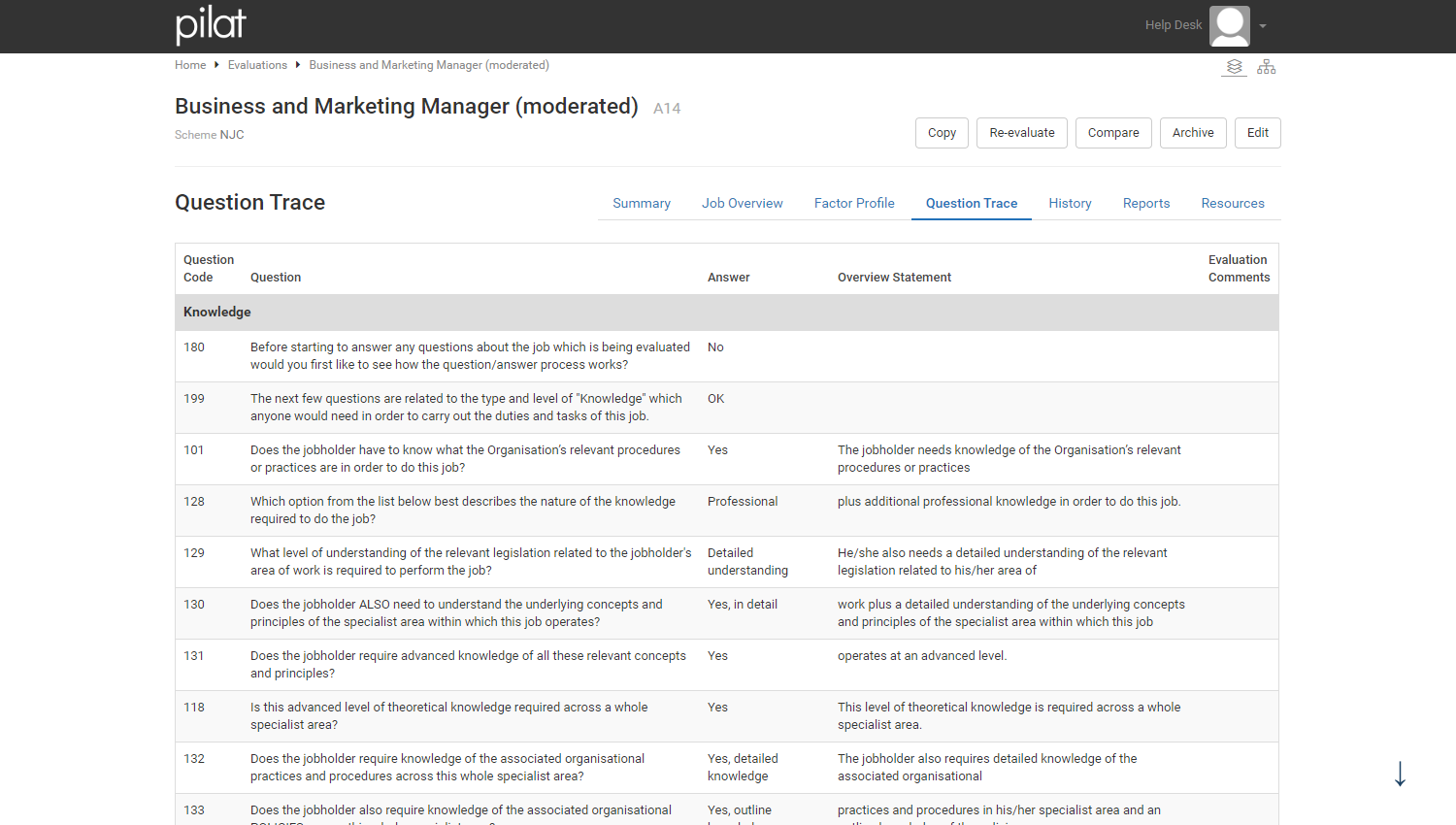
When purchasing a Gauge+ software license, you will receive training from one of our Consultants here at Pilat. The training outlines the software functionality, selected scheme, critical questions, the Job Analysis process, job evaluation methodologies and options.
Training is suited to all levels, whether they are new team members requiring knowledge of the scheme or experienced Job Analysts seeking to strengthen their facilitation skills.
Your assigned Reward Consultant can offer guidance on appeals, identifying pay structure options, developing new pay, and grading structures, modelling assimilation costs of new pay structure and more.
Image Gallery
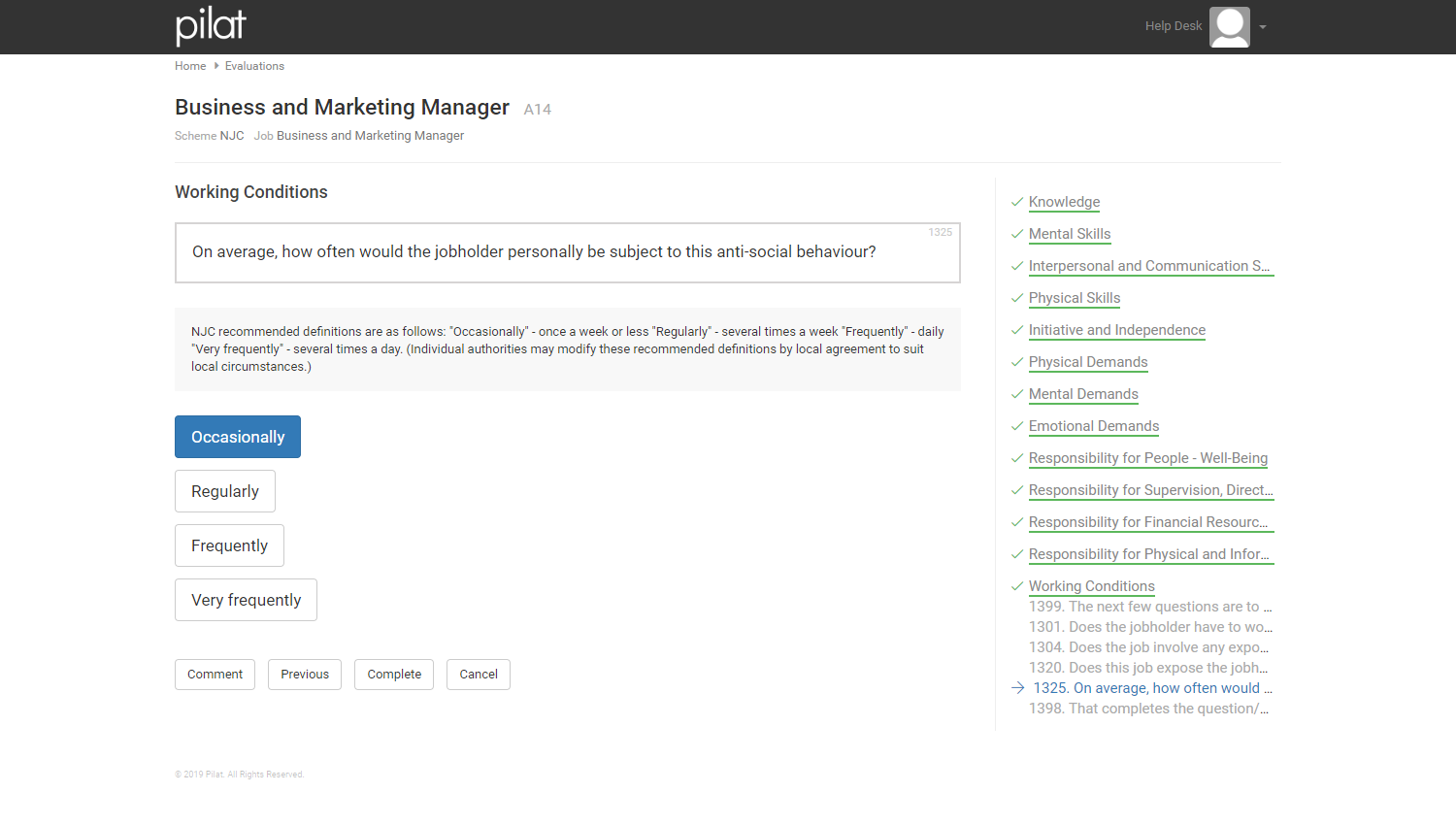

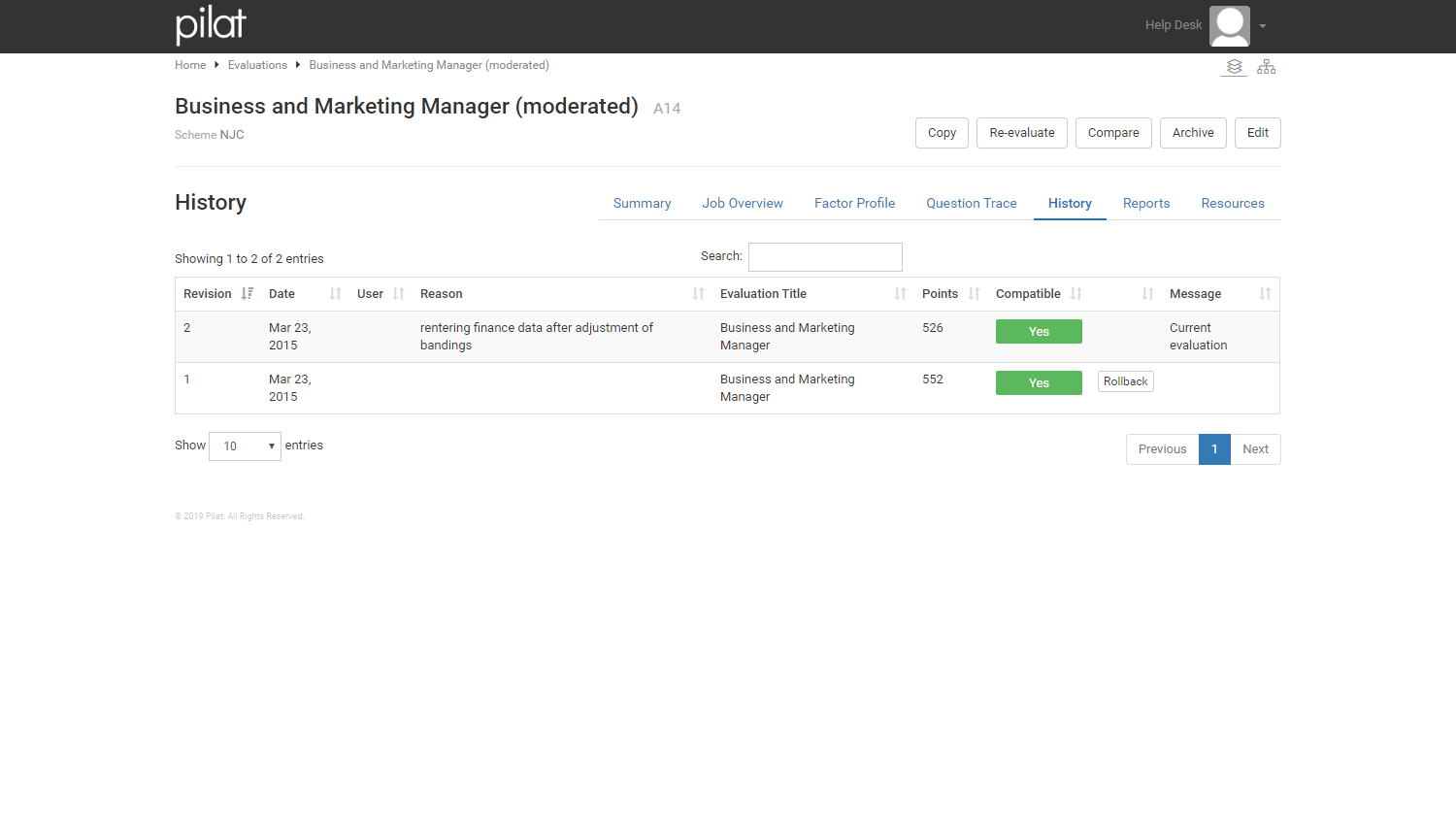
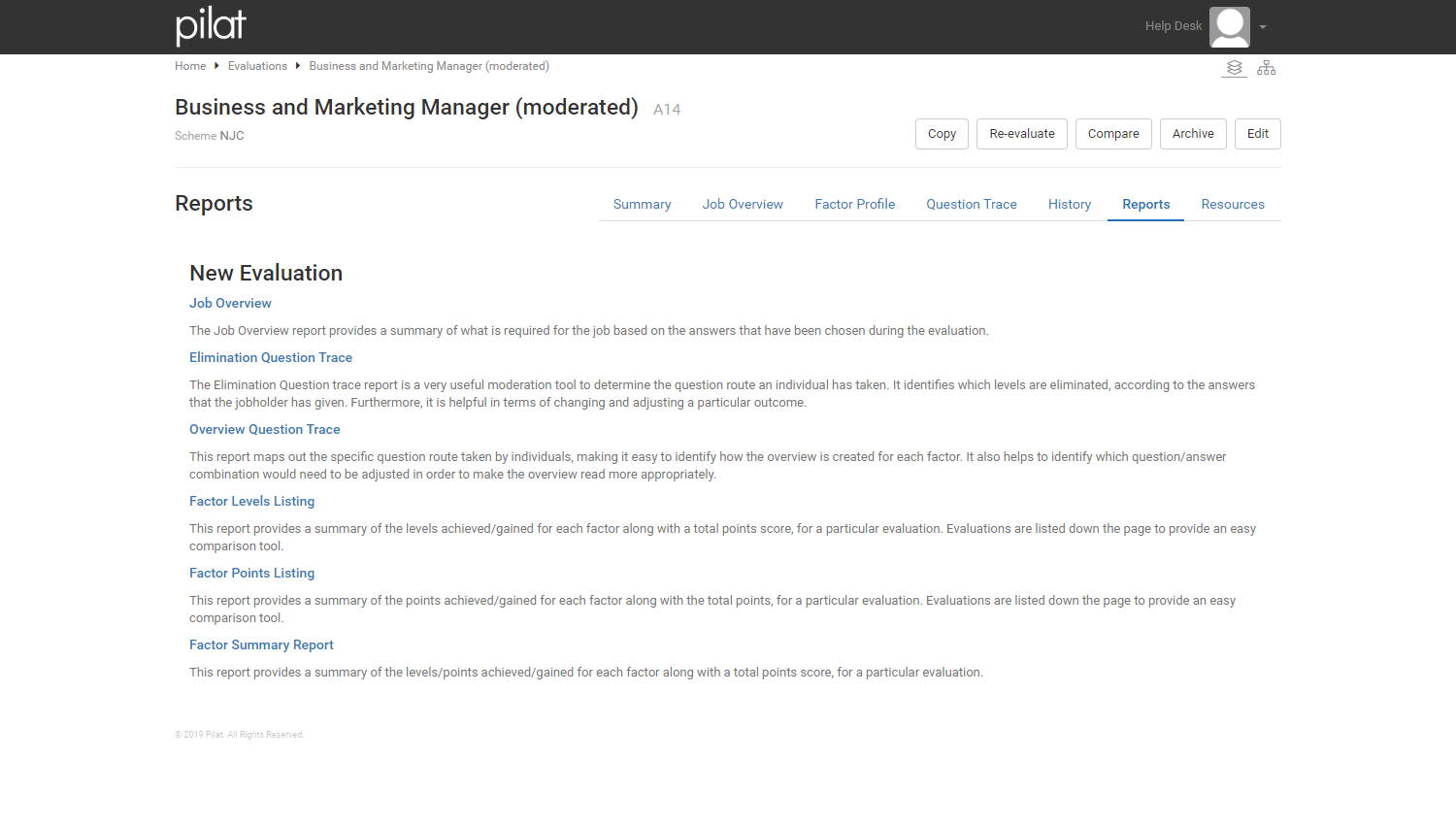
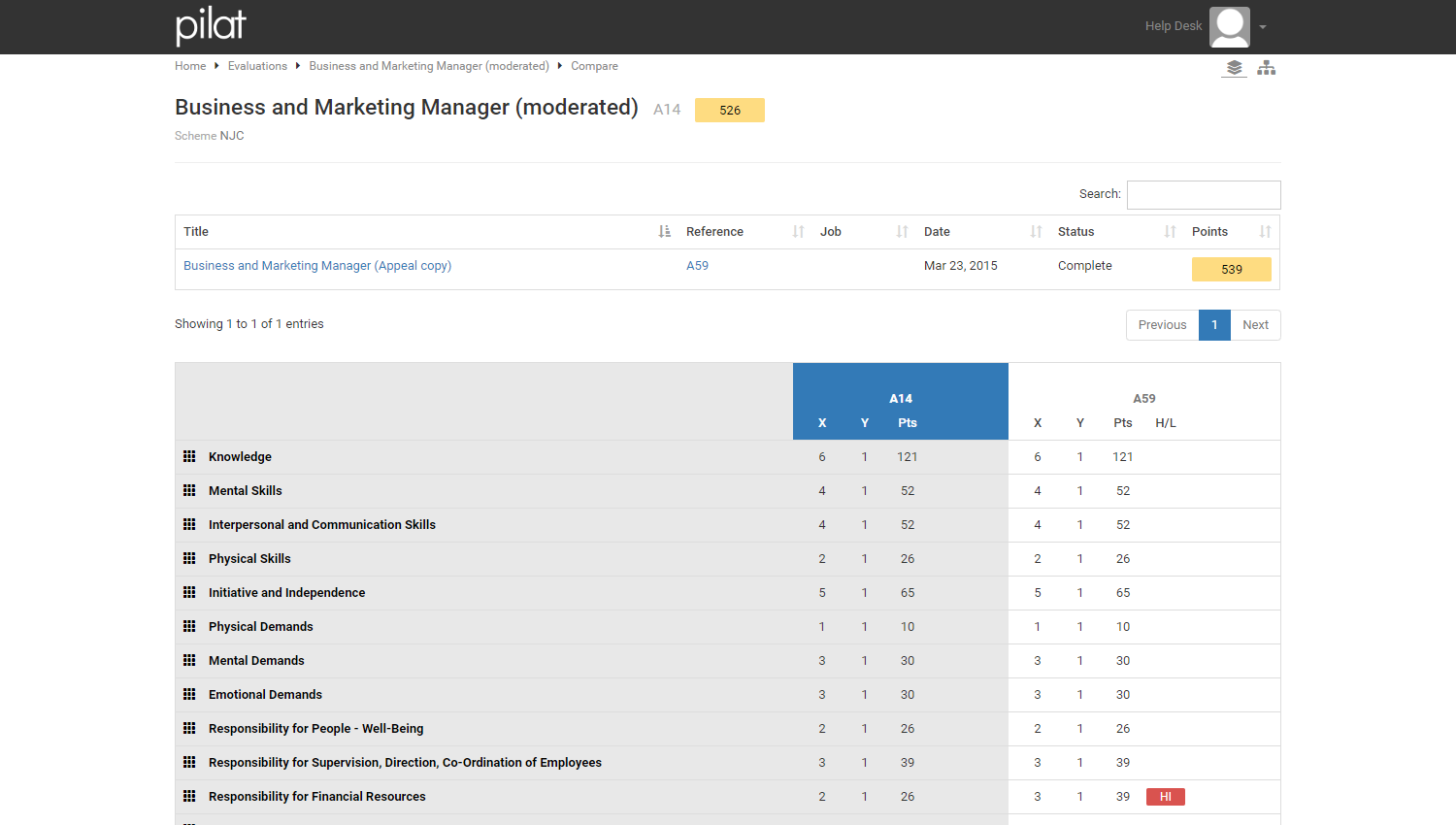

Click image to view our gallery
Find out more about the PFF Scheme
Resources